
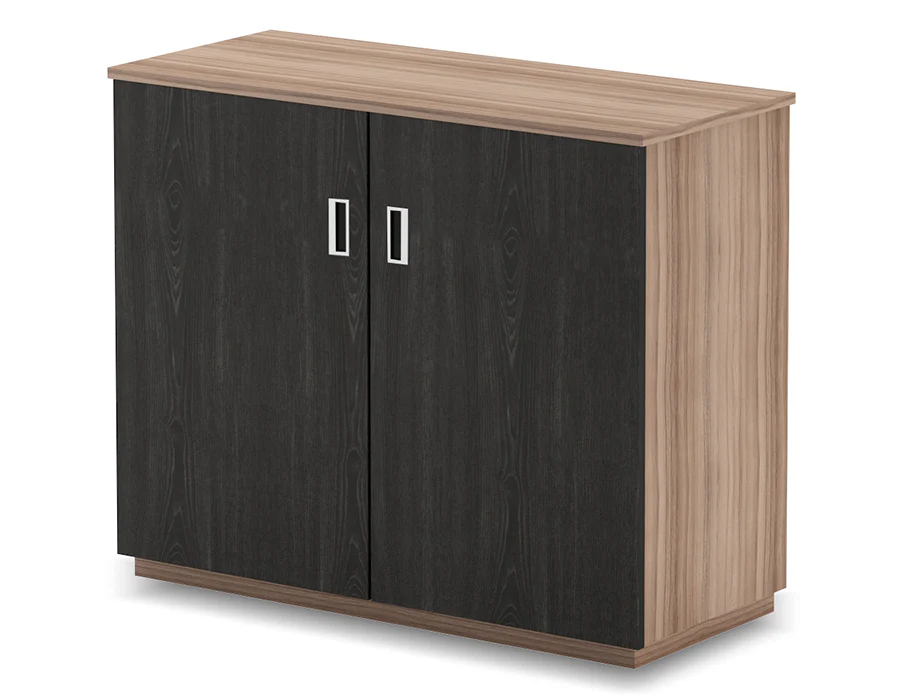
Filing cabinets are essential office furniture designed to store, organize, and protect documents. Whether in corporate offices, clinics, or home workspaces, these cabinets help keep paperwork accessible and secure. Because modern workplaces handle large volumes of documents, filing cabinets play a key role in maintaining efficiency and productivity.
What Is a Filing Cabinet?
A filing cabinet is a storage unit with drawers used to organize documents in folders. The most common designs include vertical and lateral cabinets, each offering different storage styles and space usage.
Vertical cabinets: Tall and compact, ideal for small spaces
Lateral cabinets: Wider drawers for high-volume storage
Mobile cabinets: Compact units with wheels for flexibility
Popular Types of Filing Cabinets
1. Vertical Filing Cabinets
These cabinets have deep drawers and take up less floor space, making them ideal for small offices.
2. Lateral Filing Cabinets
Lateral cabinets offer wider drawers, allowing easy access and better organization of large files.
3. Mobile Filing Cabinets
Compact and movable, these cabinets fit under desks and are perfect for flexible workspaces.
4. Open Shelf Filing Cabinets
These provide quick access to frequently used files and documents.
5. Fireproof Filing Cabinets
Designed to protect important documents from fire, water, and damage.
Key Features of Filing Cabinets
High Storage Capacity
A standard 4-drawer cabinet can hold around 200 files, making it ideal for businesses with heavy documentation needs.
Strong and Durable Materials
Filing cabinets are commonly made from steel, wood, or engineered materials. Steel cabinets are especially durable and long-lasting.
Secure Locking Systems
Most cabinets include central locking systems to protect confidential documents.
Smooth Drawer Mechanism
High-quality rails allow drawers to slide smoothly even when fully loaded.
Example Filing Cabinets You Can Consider

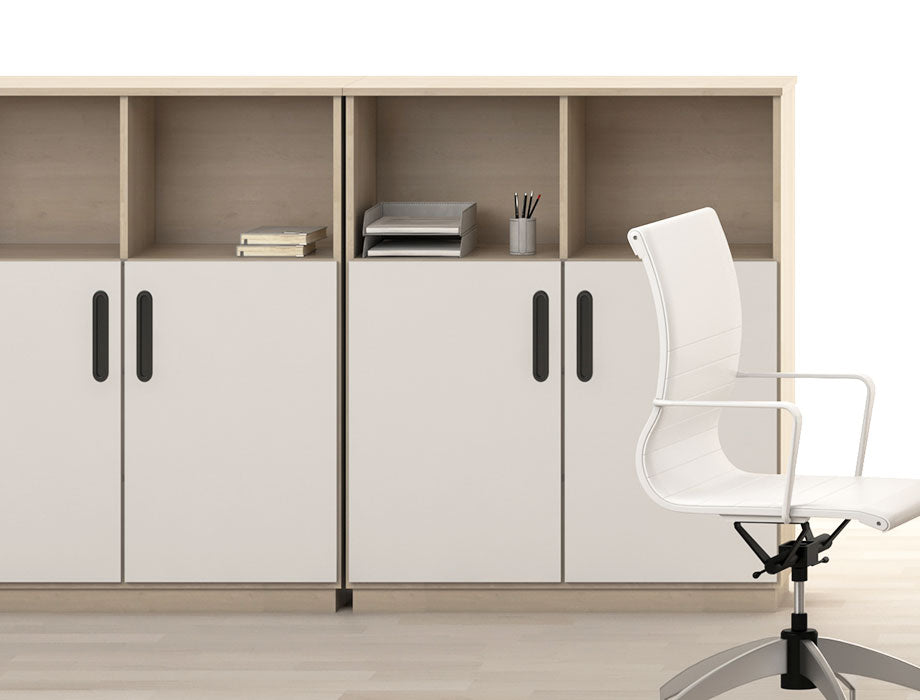
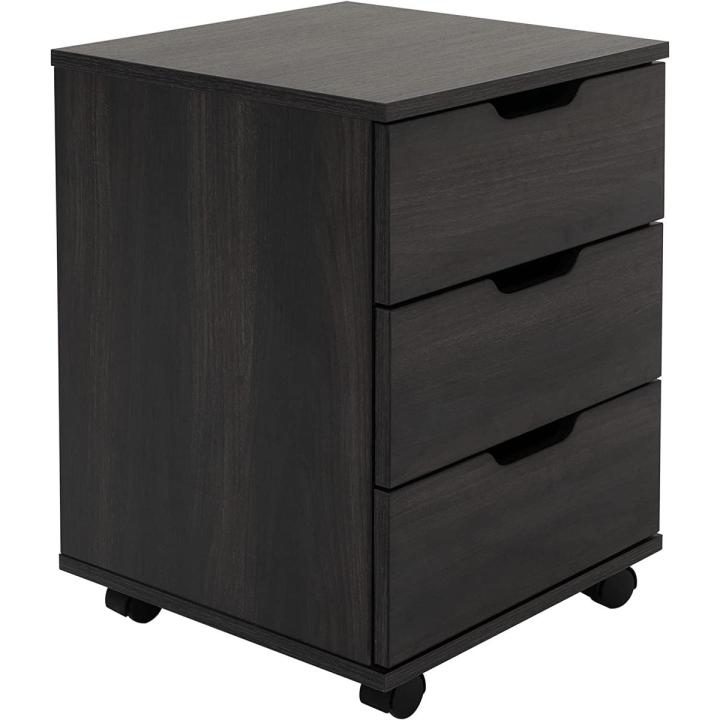
These options include wooden, medium-height, and mobile filing cabinets, suitable for both corporate and home offices.
Benefits of Filing Cabinets
Improved Organization
Filing cabinets keep documents categorized and easy to retrieve, saving time and effort.
Enhanced Security
Lockable drawers protect sensitive business information.
Space Efficiency
Compact designs allow maximum storage without occupying too much space.
Increased Productivity
Employees can quickly find documents, improving workflow and efficiency.
Materials Used in Filing Cabinets
Steel: Durable, secure, and ideal for high-traffic offices
Wood: Stylish and suitable for executive offices
Engineered Wood (MFC): Affordable and modern
Plastic or Lightweight Materials: Used in portable cabinets
Each material offers different advantages depending on your office requirements.
Where Filing Cabinets Are Used
Filing cabinets are widely used in:
Corporate offices
Hospitals and clinics
Government institutions
Schools and universities
Home offices
Because document management is essential in every industry, filing cabinets remain a core part of office furniture.
Tips for Choosing the Right Filing Cabinet
Assess storage needs: Choose the right number of drawers
Check durability: Opt for steel for heavy use
Look for locks: Ensure document security
Consider size: Match cabinet dimensions with your space
Mobility: Choose wheeled cabinets for flexibility