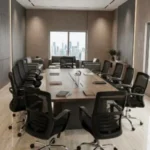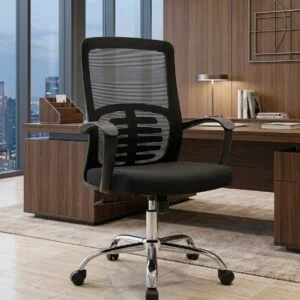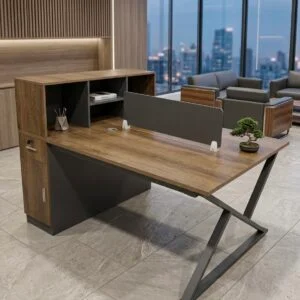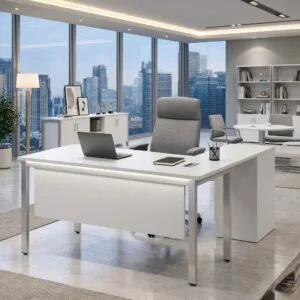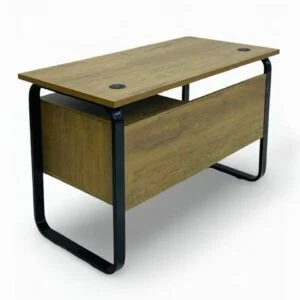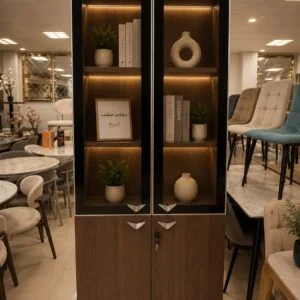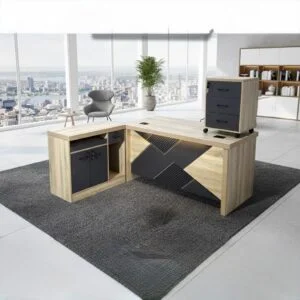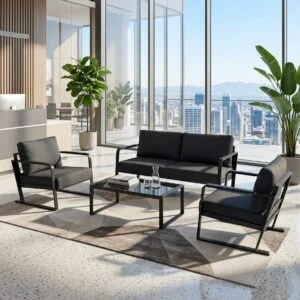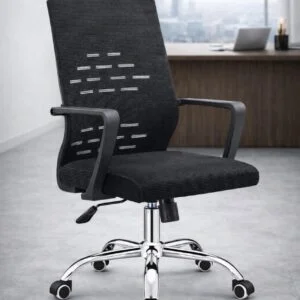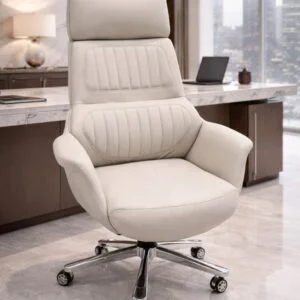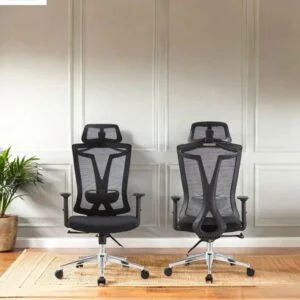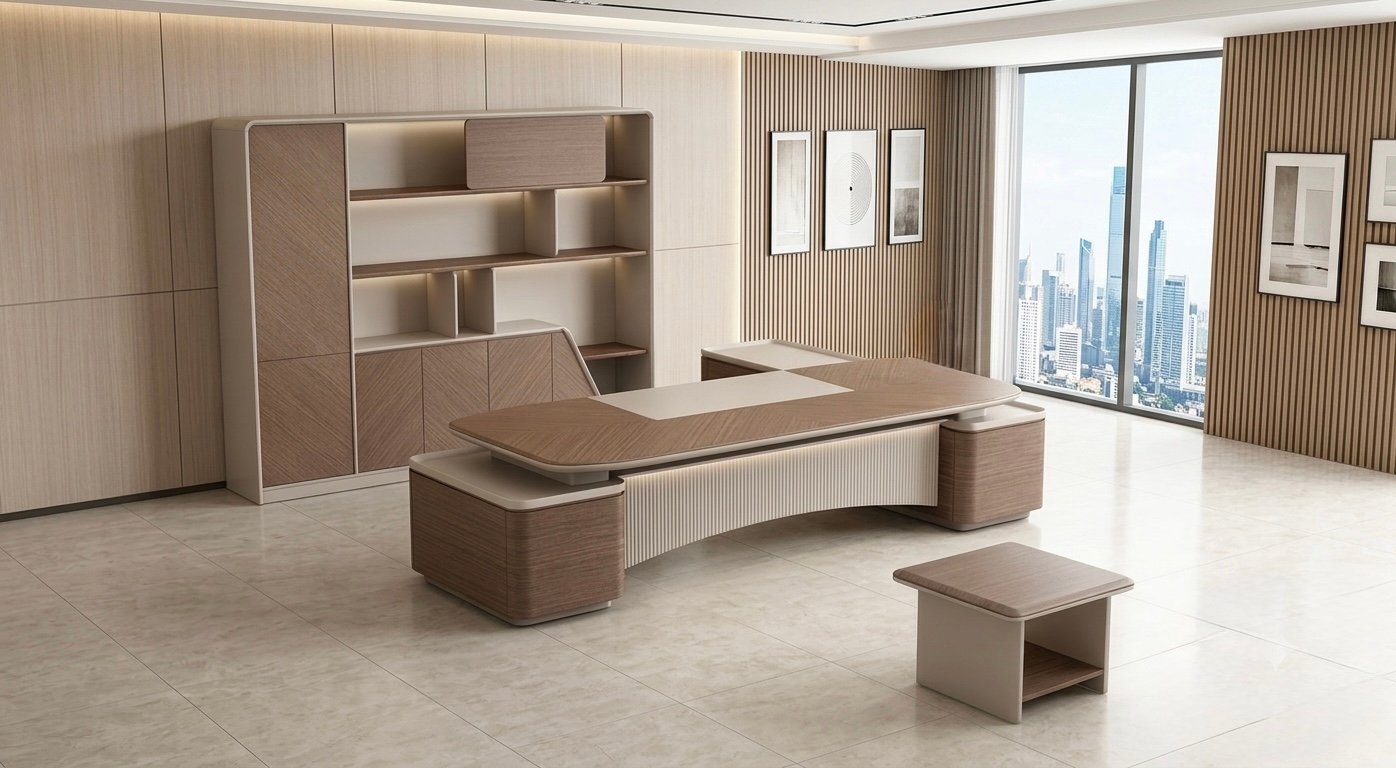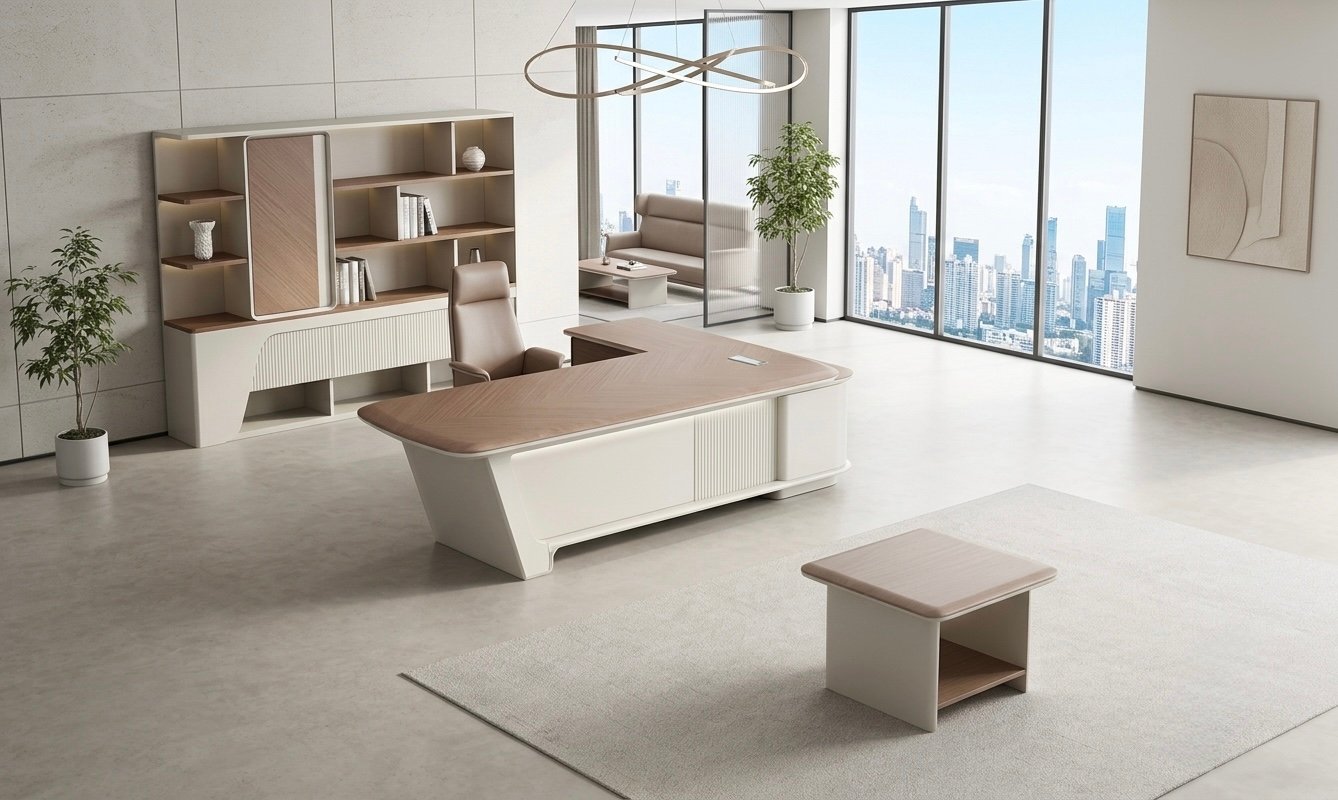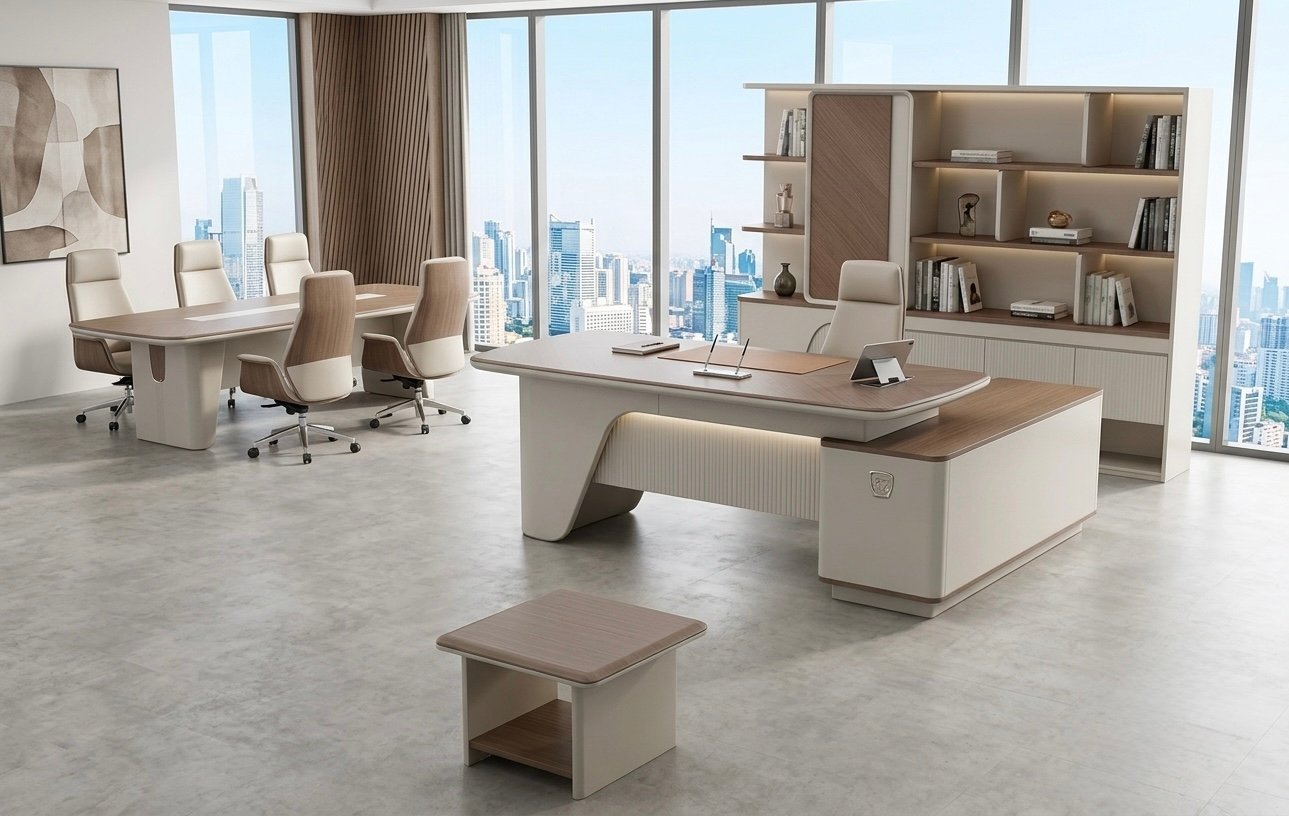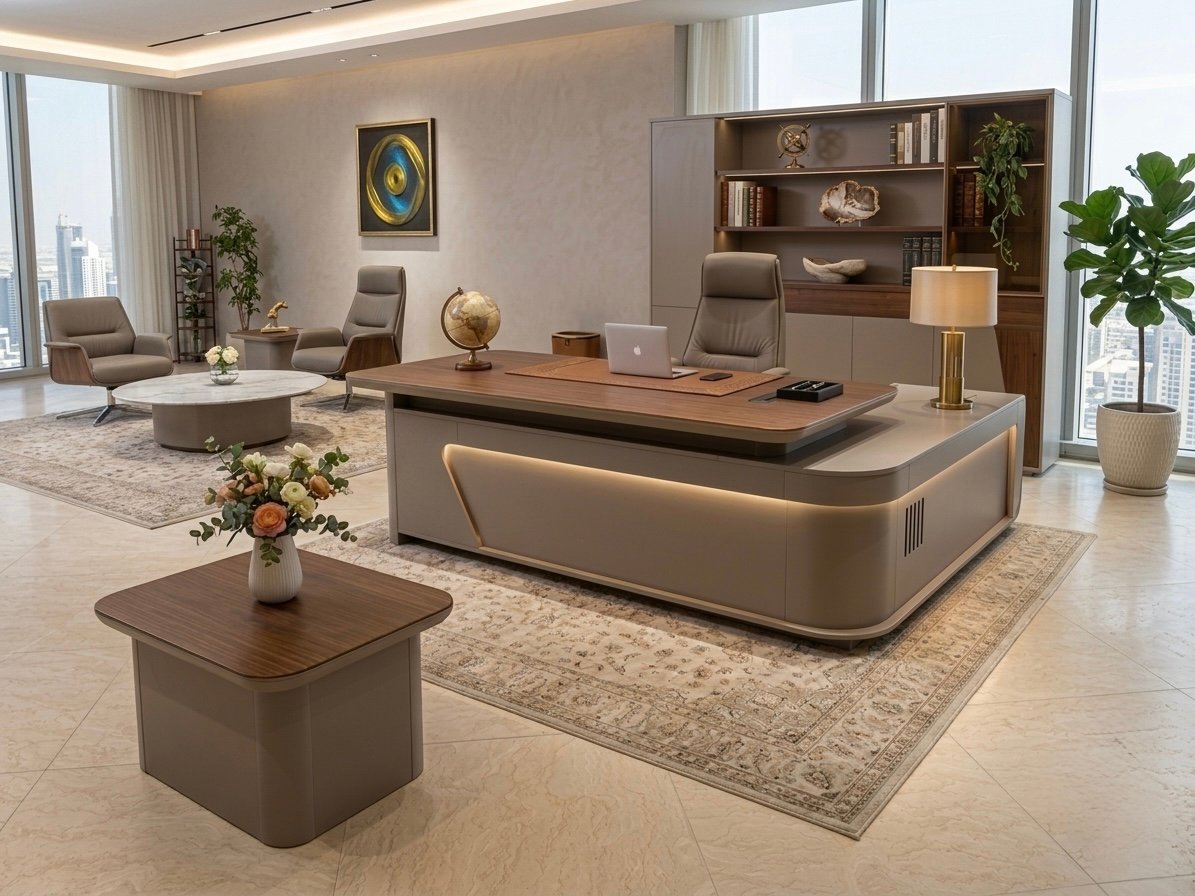
Meeting Tables
Meeting tables are an important part of every professional workspace. They provide a dedicated place for team discussions, client meetings, planning sessions, presentations, and daily collaboration. Whether you manage a small office or a large corporate workplace, the right meeting table can improve both the functionality and appearance of your meeting space.
A well-selected meeting table should provide enough space for participants while matching the overall office design. Therefore, businesses should consider the size of the room, number of users, table shape, materials, and daily requirements before making a decision.
Dhahban offers modern office furniture solutions, including meeting tables, office desks, workstations, executive chairs, storage cabinets, and other furniture designed for professional workspaces.
Why Are Meeting Tables Important?
A meeting room is where important ideas, decisions, and discussions often take place. For this reason, the furniture in this space should support communication and comfort.
Meeting tables can help businesses:
- Create a dedicated space for discussions
- Support teamwork and collaboration
- Provide seating for employees and visitors
- Improve the appearance of meeting rooms
- Organize presentations and planning sessions
- Create a professional environment for clients
- Support daily team communication
Moreover, a suitable table can make meetings more comfortable and organized.
Types of Meeting Tables
Meeting tables are available in different shapes and sizes. Each option can suit a particular type of room or meeting style.
Rectangular Meeting Tables
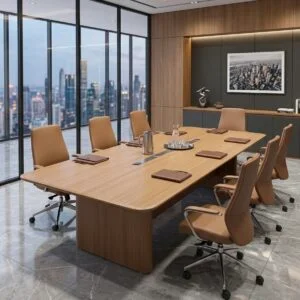
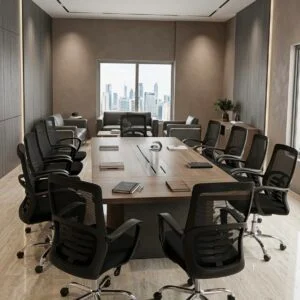
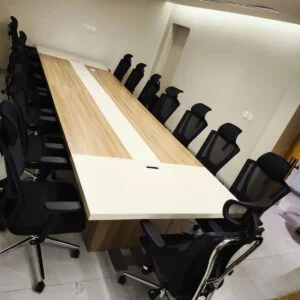
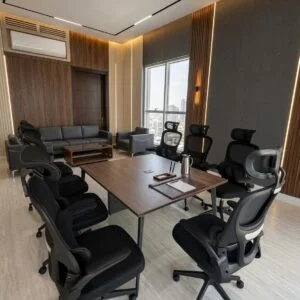
Rectangular tables are a popular choice for formal meetings and conference rooms. They provide clear seating arrangements and can accommodate multiple participants.
These tables are suitable for board meetings, presentations, and structured discussions.
Round Meeting Tables
Round meeting tables can create a more balanced and open environment. Since participants sit around the table without a traditional head position, they can be useful for collaborative discussions.
They are often suitable for smaller teams and informal meetings.
Oval Meeting Tables
Oval tables combine some of the benefits of rectangular and round designs. Their curved edges can create a softer appearance while still providing a large working surface.
Square Meeting Tables
Square tables can work well for smaller meeting rooms. They provide equal seating arrangements and can support focused team discussions.
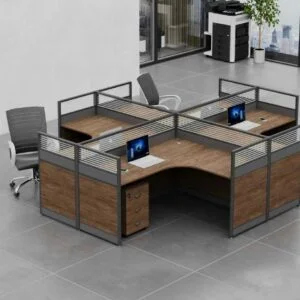
Modular Meeting Tables
Modular tables can be rearranged based on different requirements. Therefore, they are useful for flexible offices where meeting room layouts may change.
How to Choose the Right Meeting Table
Selecting the right meeting table requires careful planning. The table should fit the room without making the space feel crowded.
Consider the Room Size
Measure the available space before selecting a table. Participants should have enough room to sit, move, and access their chairs comfortably.
Determine the Number of Users
Consider how many people usually attend meetings. A small team may only need a compact table, while a large organization may require a conference table with more seating capacity.
Choose a Suitable Shape
The table shape can influence how people interact during meetings.
For example:
- Round tables can support open discussions.
- Rectangular tables can suit formal meetings.
- Oval tables can provide a softer and modern appearance.
- Modular tables can offer greater flexibility.
Select the Right Material
The material should match the office design and expected level of use. Popular options may include wood finishes, metal structures, glass surfaces, or modern composite materials.
Consider Technology Requirements
Modern meetings often involve laptops, screens, projectors, and charging devices. Therefore, businesses may prefer tables with cable management or easy access to power connections.
Benefits of Modern Meeting Tables
Improved Collaboration
A dedicated meeting table provides a comfortable place for teams to share ideas and work together.
Professional Appearance
A well-designed meeting table can improve the overall appearance of a conference or boardroom.
Better Space Organization
Using the right table size can help organize the meeting room while leaving enough space for movement.
Flexible Use
Some meeting tables can be used for discussions, presentations, training sessions, and collaborative work.
Supports Client Meetings
A professional meeting space can create a positive impression when meeting clients, business partners, or visitors.
Meeting Tables for Different Office Spaces
Small Offices
Small offices can benefit from compact round or square meeting tables. These options can provide useful meeting space without taking up too much room.
Corporate Offices
Larger workplaces may require long conference tables or multiple meeting areas for different teams and departments.
Executive Offices
An executive office may include a smaller meeting table for private discussions with employees, clients, or visitors.
Co-Working Spaces
Flexible and modular meeting tables can be useful in shared workspaces where room layouts may change frequently.
Training Rooms
Training spaces may require tables that can be arranged in different layouts. Modular designs can provide greater flexibility.
Meeting Tables and Office Interior Design
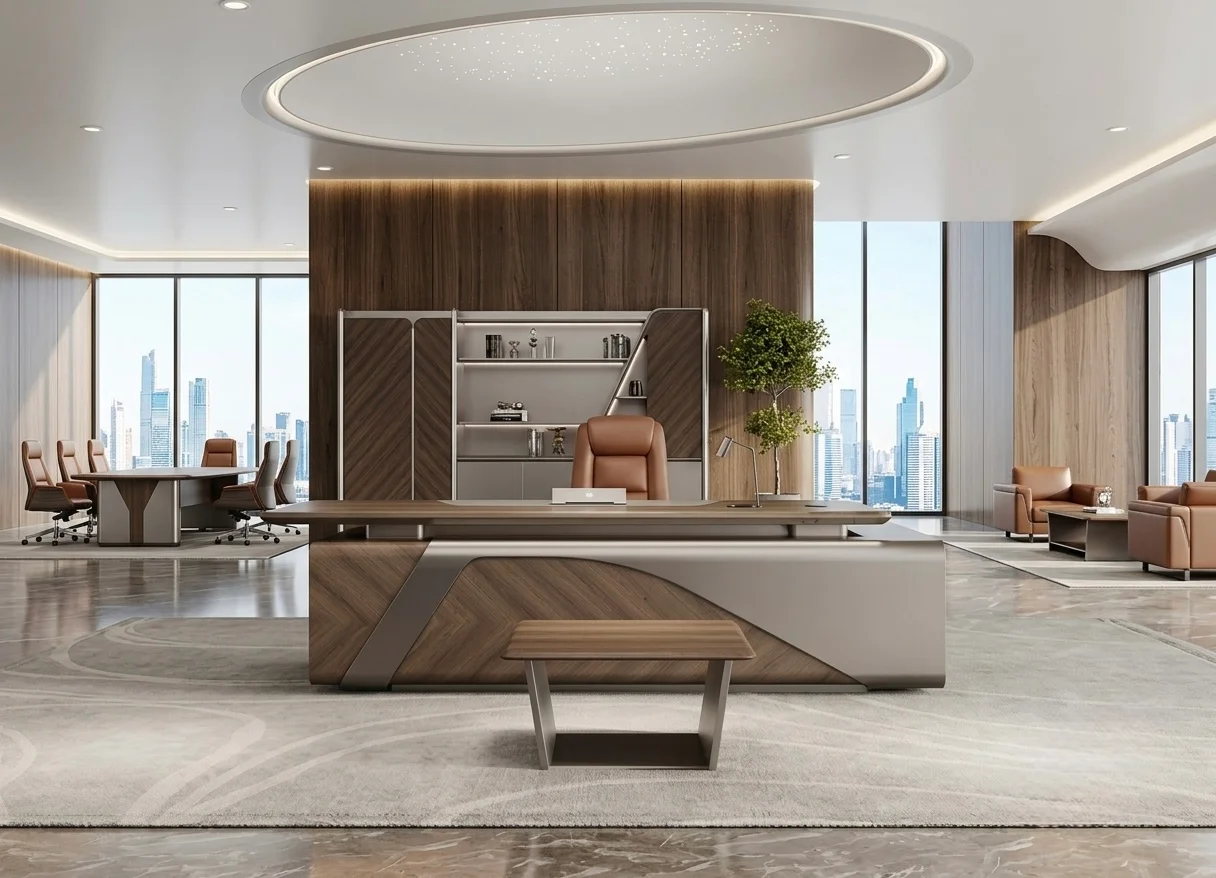
Meeting tables should work well with the rest of the office furniture. The design, material, and finish can be selected to match office chairs, workstations, storage cabinets, and executive desks.
For example, a modern office may use clean lines and neutral finishes, while an executive boardroom may feature a larger table with a premium finish.
In addition, the table should match the scale of the room. A very large table in a small room can make the space feel crowded. Similarly, a small table in a large conference room may not provide the required functionality.
Tips for Planning a Meeting Room
Before choosing meeting tables, consider the complete room setup.
Important factors include:
- Number of participants
- Available floor space
- Seating requirements
- Technology needs
- Lighting
- Movement around the table
- Storage requirements
- Presentation equipment
A well-planned meeting room can support productive discussions while providing a comfortable environment.
Modern Features for Meeting Tables
Modern workplaces often require furniture that supports technology and flexible working.
Useful features may include:
Cable Management
Cable management can help keep power and data cables organized. As a result, the meeting area can remain cleaner and easier to use.
Power Access
Some meeting setups require easy access to power for laptops and other devices.
Modular Design
Modular tables can be moved or rearranged depending on the number of participants and type of meeting.
Durable Surfaces
Meeting tables may be used frequently. Therefore, durable materials and finishes can support regular use.
Easy Maintenance
Furniture that is easy to clean and maintain can be practical for busy workplaces.
Why Choose Dhahban for Meeting Tables?
Dhahban provides office furniture solutions designed for modern and professional workspaces. Businesses can explore meeting tables along with executive desks, workstations, office chairs, filing cabinets, and storage solutions.
Choosing coordinated furniture can help create a consistent workplace design. Furthermore, selecting suitable furniture for different office areas can improve organization and functionality.
Whether you are furnishing a new office, upgrading a conference room, or creating a collaborative workspace, Dhahban can help you explore practical furniture options for your requirements.
Frequently Asked Questions
What size meeting table do I need?
The right size depends on your meeting room dimensions and the number of people who will use the table. Leave enough space around the table for chairs and comfortable movement.
Which meeting table shape is best?
There is no single best shape. Round tables are useful for open discussions, while rectangular tables can suit formal meetings. The best choice depends on the room and meeting style.
Can meeting tables be used for training?
Yes. Larger or modular meeting tables can be used for training sessions, workshops, and group activities.
Should meeting tables include cable management?
If employees regularly use laptops, screens, or presentation equipment, cable management can help keep the table organized.
How do I match a meeting table with office furniture?
Consider the color, material, style, and size of your existing office chairs, desks, and storage furniture. A coordinated design can create a more professional appearance.
Conclusion
Meeting tables provide an essential space for communication, collaboration, planning, and professional discussions. Choosing the right table requires consideration of room size, seating capacity, shape, materials, technology requirements, and office design.
From compact round tables for small teams to large conference tables for corporate workplaces, the right furniture can make a meeting space more comfortable and functional.
Dhahban offers modern office furniture solutions to help businesses create professional meeting rooms and complete workspaces.
Contact Details
🌐 Website: https://dhahban.com/
📘 Facebook: https://www.facebook.com/dhahban
💬 Quick Booking on WhatsApp: https://api.whatsapp.com/send/?phone=966591476652&text&type=phone_number&app_absent=0
📞 WhatsApp: +966 59 147 6652
Contact Dhahban today to explore modern meeting tables and complete office furniture solutions for your workspace.