Office Architecture Furniture Saudi Arabia
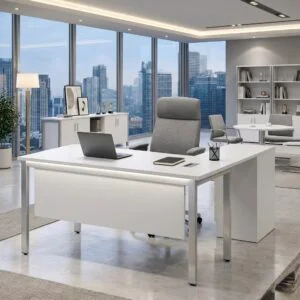
Modern offices require more than attractive furniture. They need furniture that works together with the architecture, layout, technology, and daily activities of the workplace. Office architecture furniture Saudi Arabia focuses on creating workspaces where furniture and interior structure complement each other to provide comfort, functionality, organization, and a professional visual identity.
The right office furniture can influence how employees move, communicate, collaborate, and perform their daily responsibilities. Desks, workstations, chairs, conference tables, storage units, reception furniture, and collaborative areas should therefore be selected according to the architectural character and functional requirements of the office.
For businesses across Saudi Arabia, integrating furniture with office architecture can help transform ordinary spaces into modern workplaces that support productivity, flexibility, and long-term business growth.
What Is Office Architecture Furniture?
Office architecture furniture refers to furniture selected and arranged according to the architectural design, layout, proportions, and functional requirements of a workplace.
Rather than treating furniture as separate individual pieces, an architectural approach considers how different furniture elements work together within the overall office environment.
This can include:
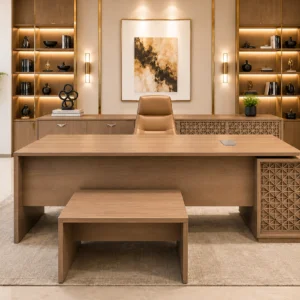
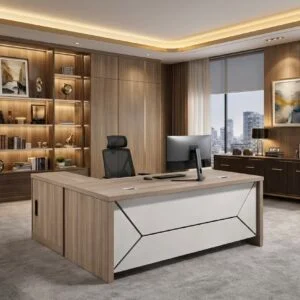
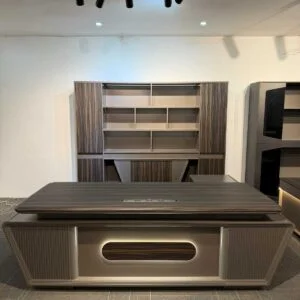
- Executive office furniture
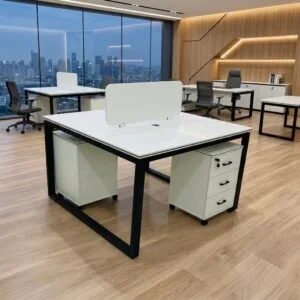
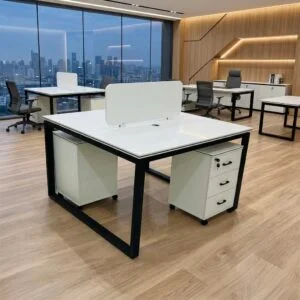
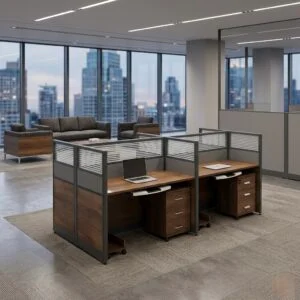
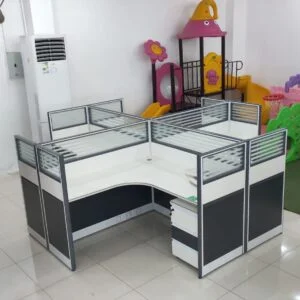
- Modular workstations
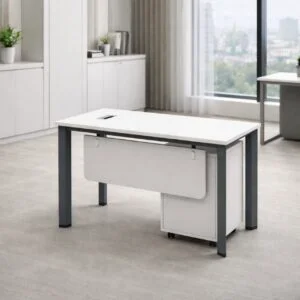
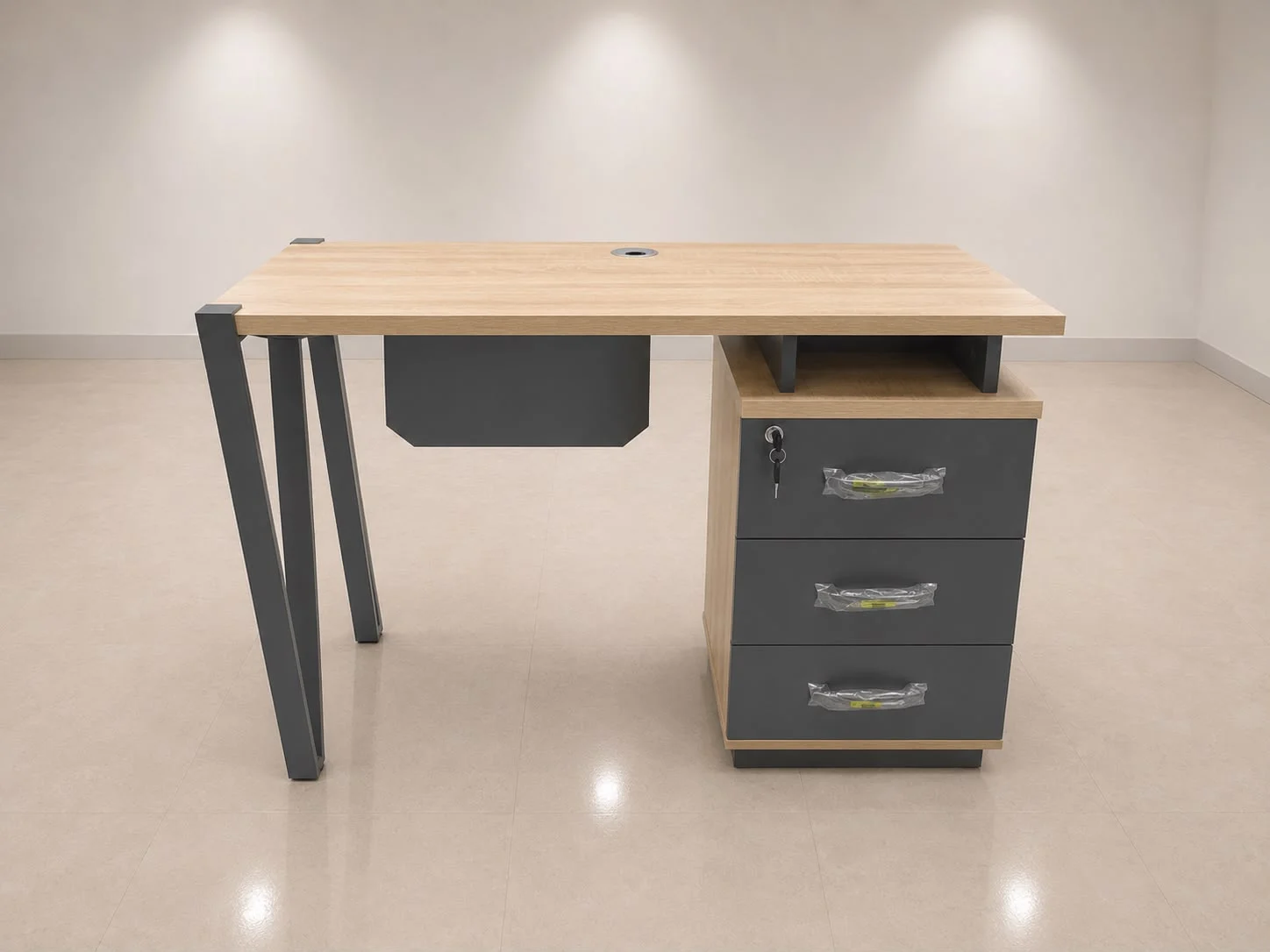
- Staff desks and chairs
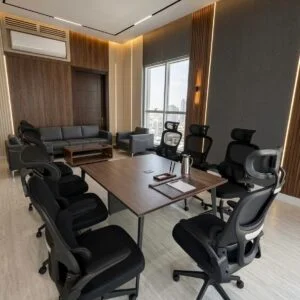
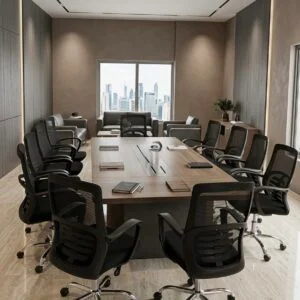
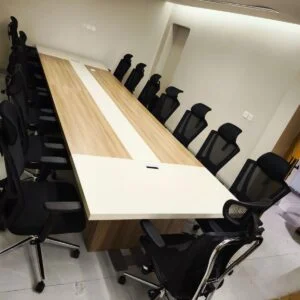
- Conference tables
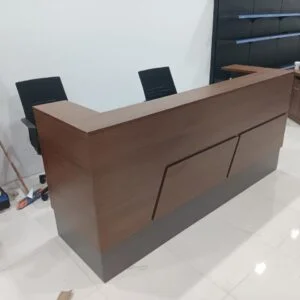
- Reception desks
- Filing cabinets
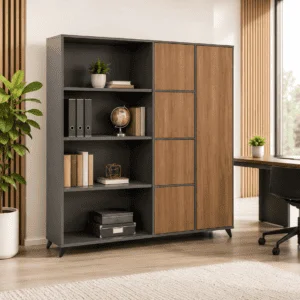
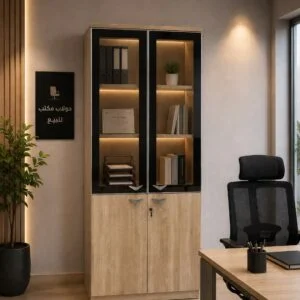
- Storage systems
- Collaborative tables
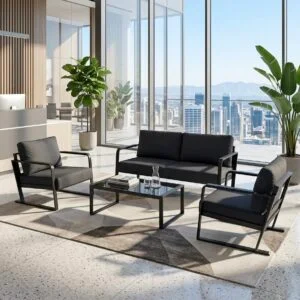
- Lounge seating
- Space-dividing furniture
The goal is to create a balanced relationship between the physical office structure and the furniture used within it.
Why Office Architecture Furniture Saudi Arabia Matters
Furniture can have a major impact on the way an office looks and functions. A well-designed office architecture should provide suitable areas for focused work, meetings, collaboration, storage, and employee interaction.
Architecturally coordinated furniture can help:
- Improve workplace functionality
- Optimize available floor space
- Create better traffic flow
- Support employee productivity
- Improve office organization
- Establish a professional identity
- Support collaboration
- Integrate workplace technology
- Create visually balanced interiors
When furniture is selected according to the office’s architecture, the entire workplace can feel more organized and intentional.
Features of Architecture-Focused Office Furniture
Space-Aware Design
Furniture should match the dimensions and proportions of the available office space. This helps prevent overcrowding while maintaining comfortable movement.
Modular Configurations
Modular workstations and tables can be rearranged as departments, teams, and business requirements change.
Ergonomic Functionality
Ergonomic chairs and desks can support employee comfort while fitting naturally into the overall workplace design.
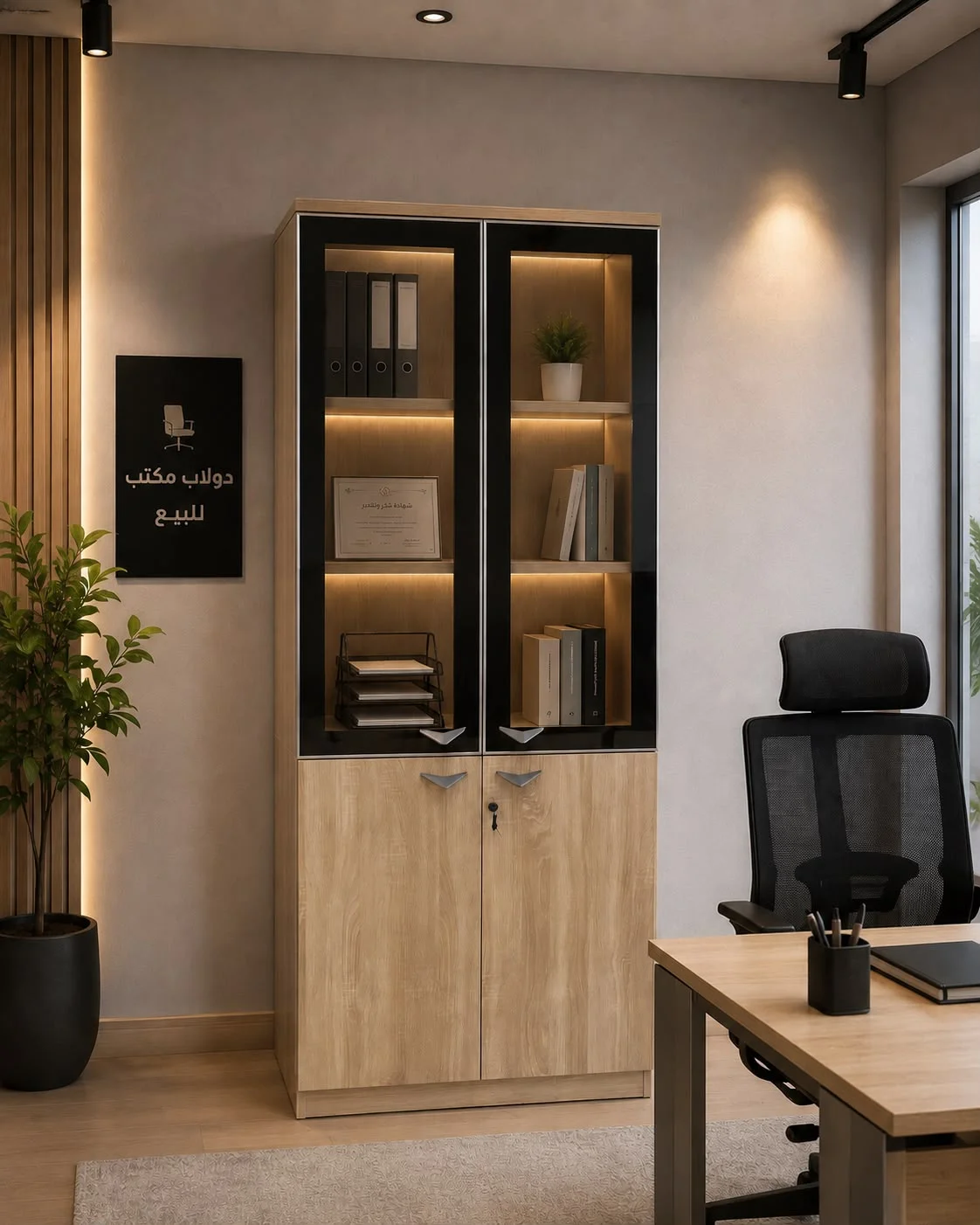
Integrated Storage
Storage cabinets and filing systems can be incorporated into office layouts to reduce clutter and improve organization.
Technology Integration
Modern workstations can accommodate computers, monitors, power requirements, and cable management.
Consistent Aesthetics
Furniture finishes, materials, colors, and shapes can be coordinated with walls, flooring, lighting, and other interior elements.
Benefits of Office Architecture Furniture Saudi Arabia
Better Space Utilization
Furniture designed around the office layout can make more effective use of available floor space.
Improved Workplace Flow
Strategically positioned desks, tables, chairs, and storage can create clearer movement paths throughout the office.
Enhanced Employee Comfort
Ergonomic seating and appropriately sized workstations can create more comfortable working conditions.
Stronger Professional Image
A coordinated office interior can communicate professionalism to clients, visitors, business partners, and employees.
Greater Workplace Flexibility
Modular furniture can allow organizations to adapt spaces when teams expand or working requirements change.
Better Collaboration
Team tables, meeting furniture, and shared workspaces can create dedicated areas for communication and teamwork.
Improved Organization
Integrated storage helps reduce clutter and keeps important documents and workplace materials accessible.
Types of Furniture Used in Office Architecture
Executive Office Furniture
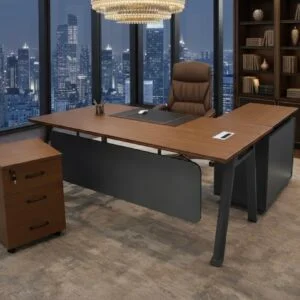
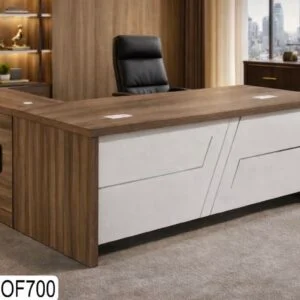
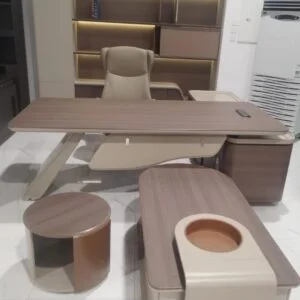
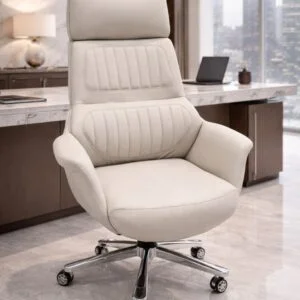
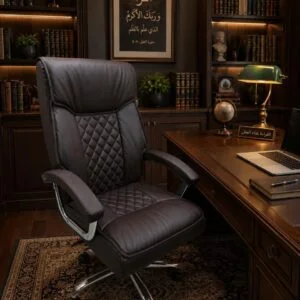
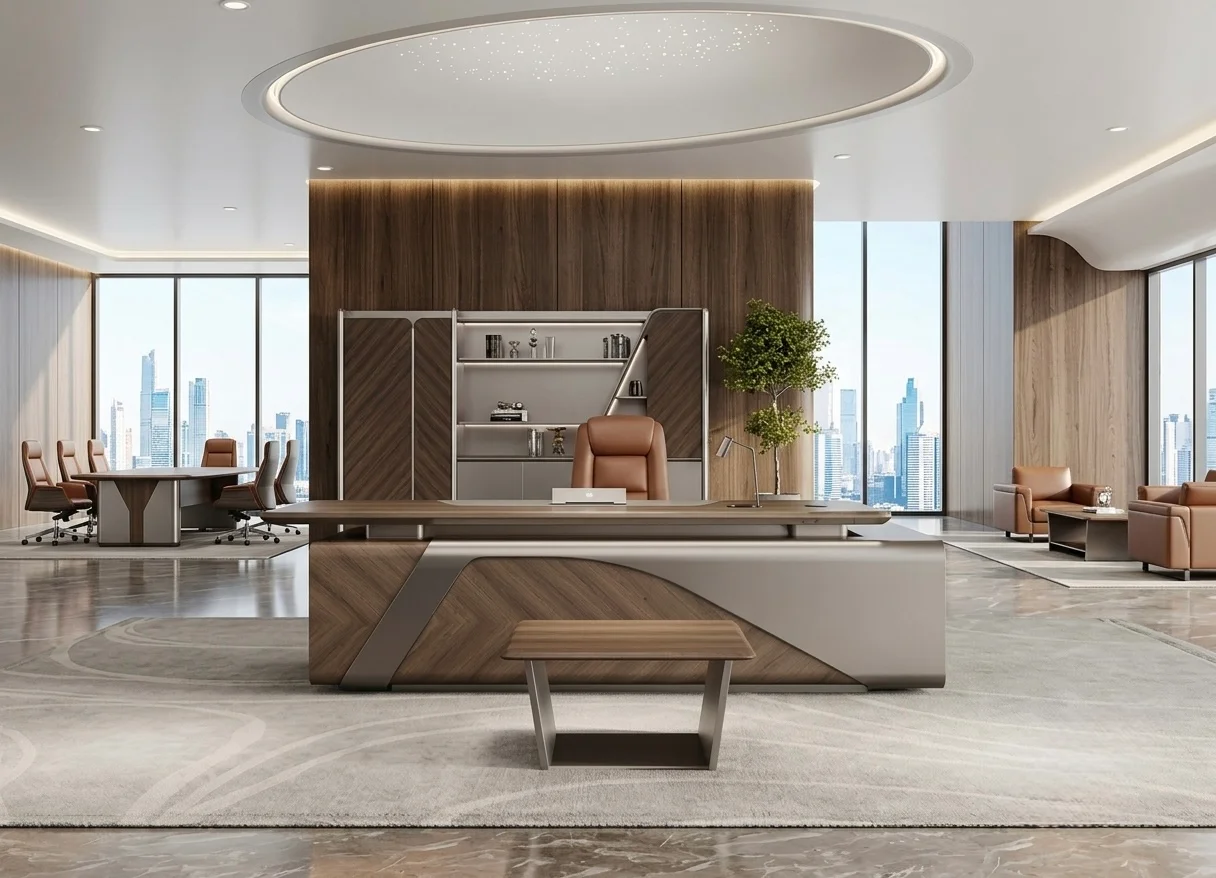
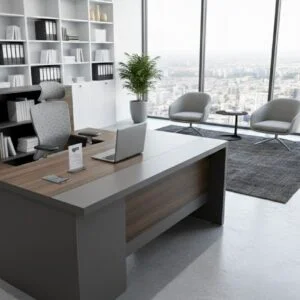
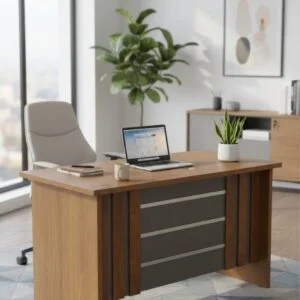
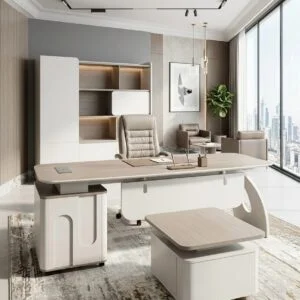
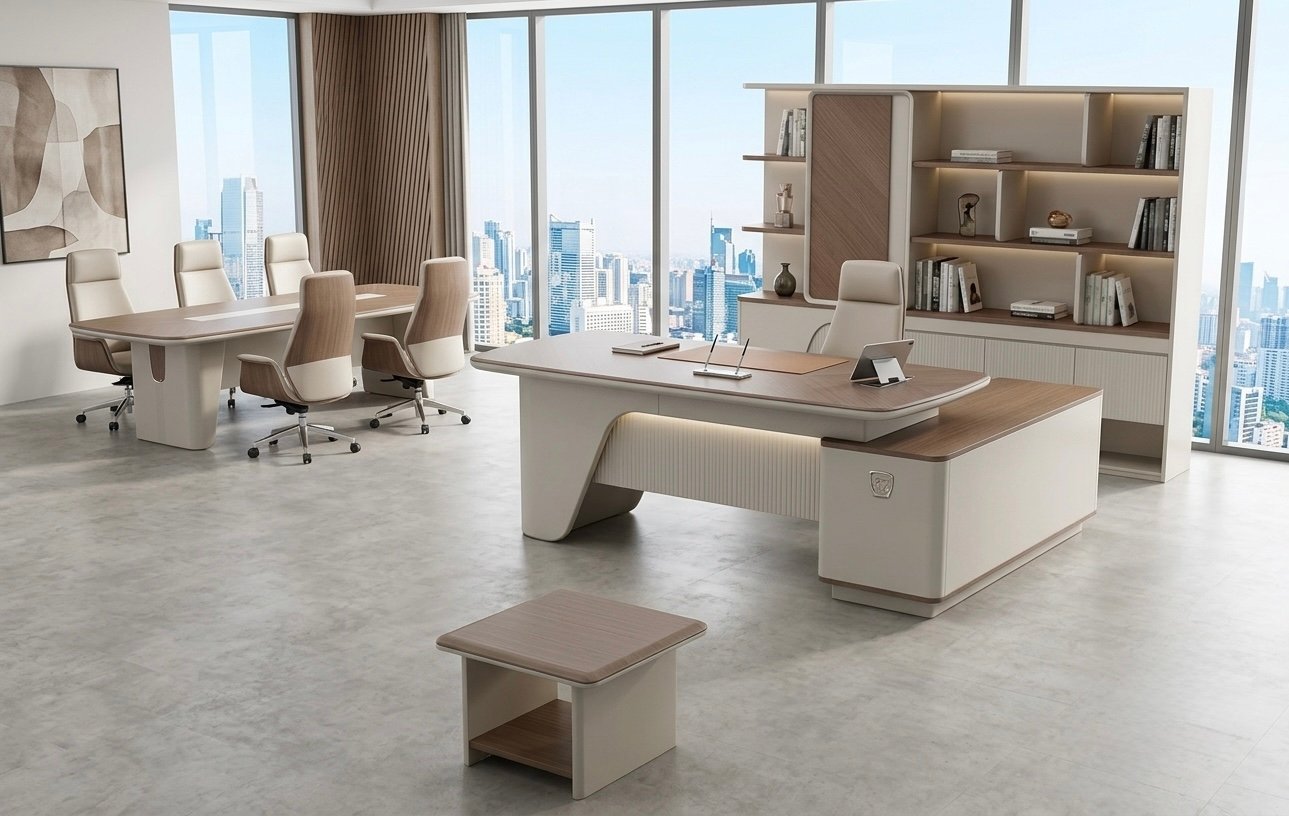
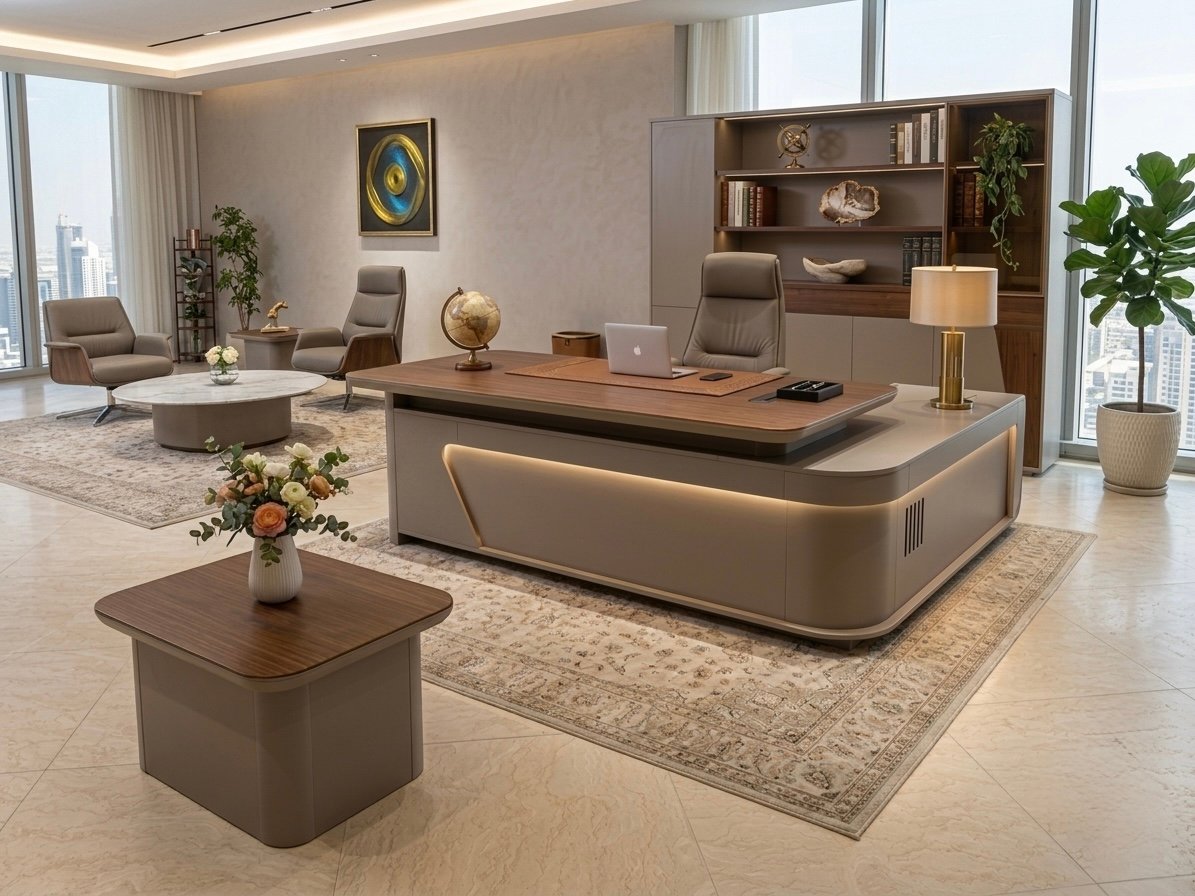
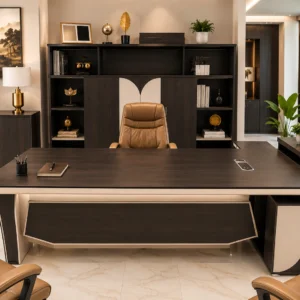
Executive desks, chairs, side tables, and storage units can create sophisticated management offices that complement the architectural character of the workplace.
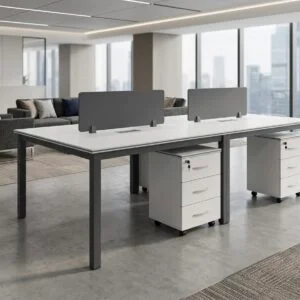
Modular Workstations
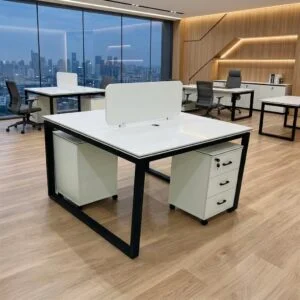
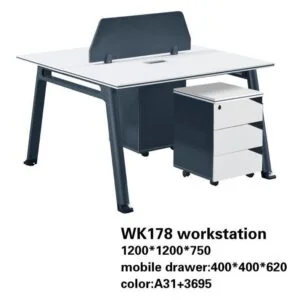
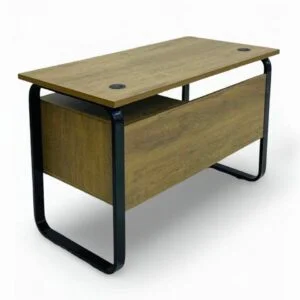
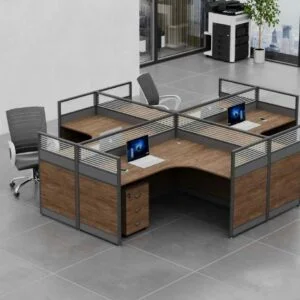
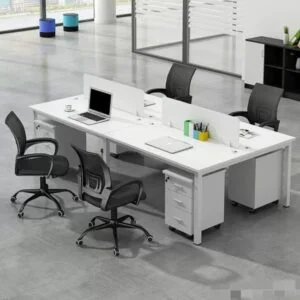
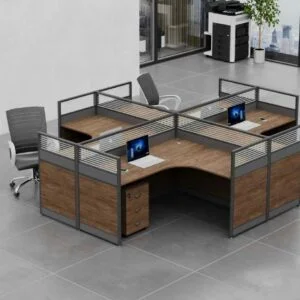
Workstations can be arranged according to team sizes, departments, available floor space, and workplace requirements.
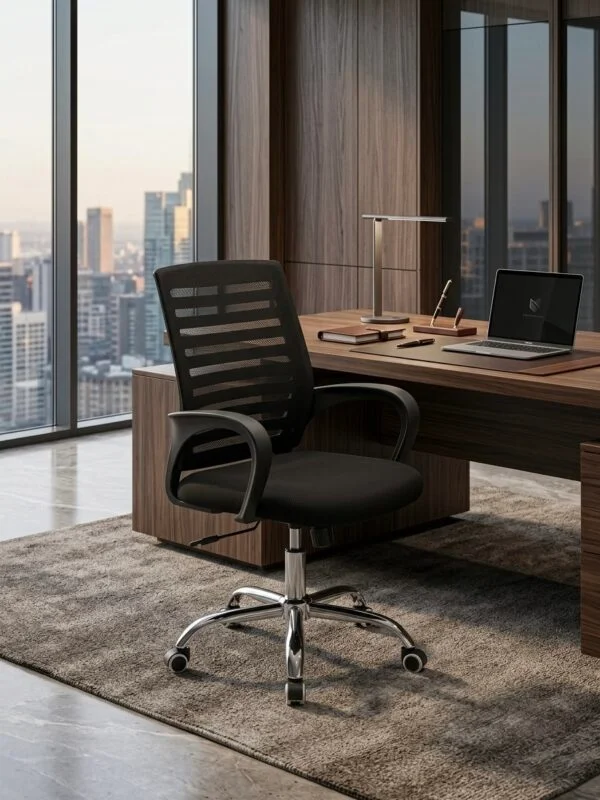
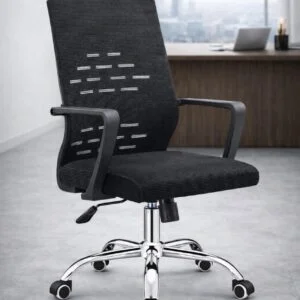
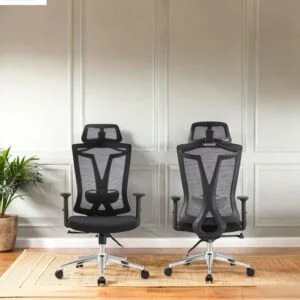
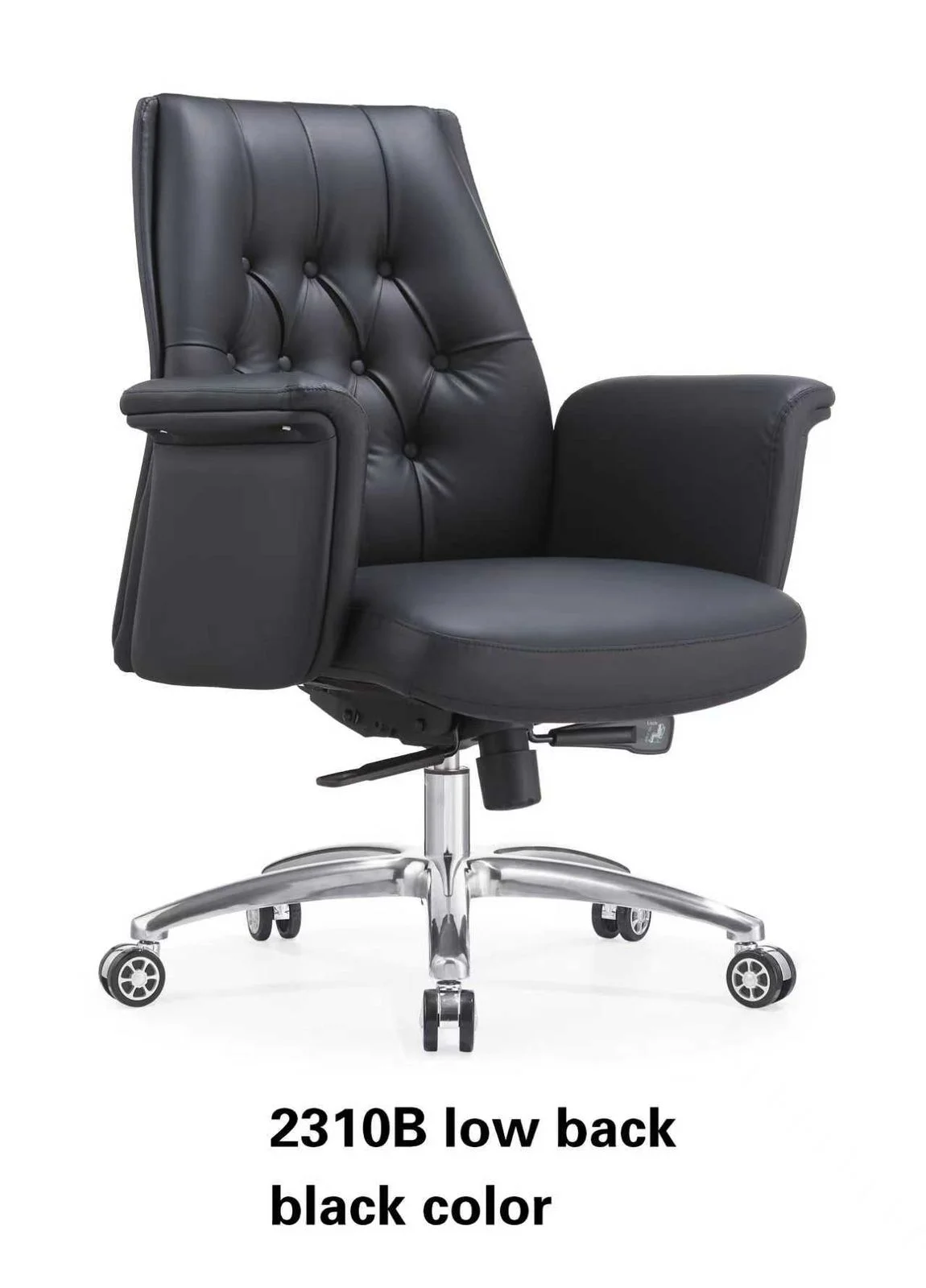
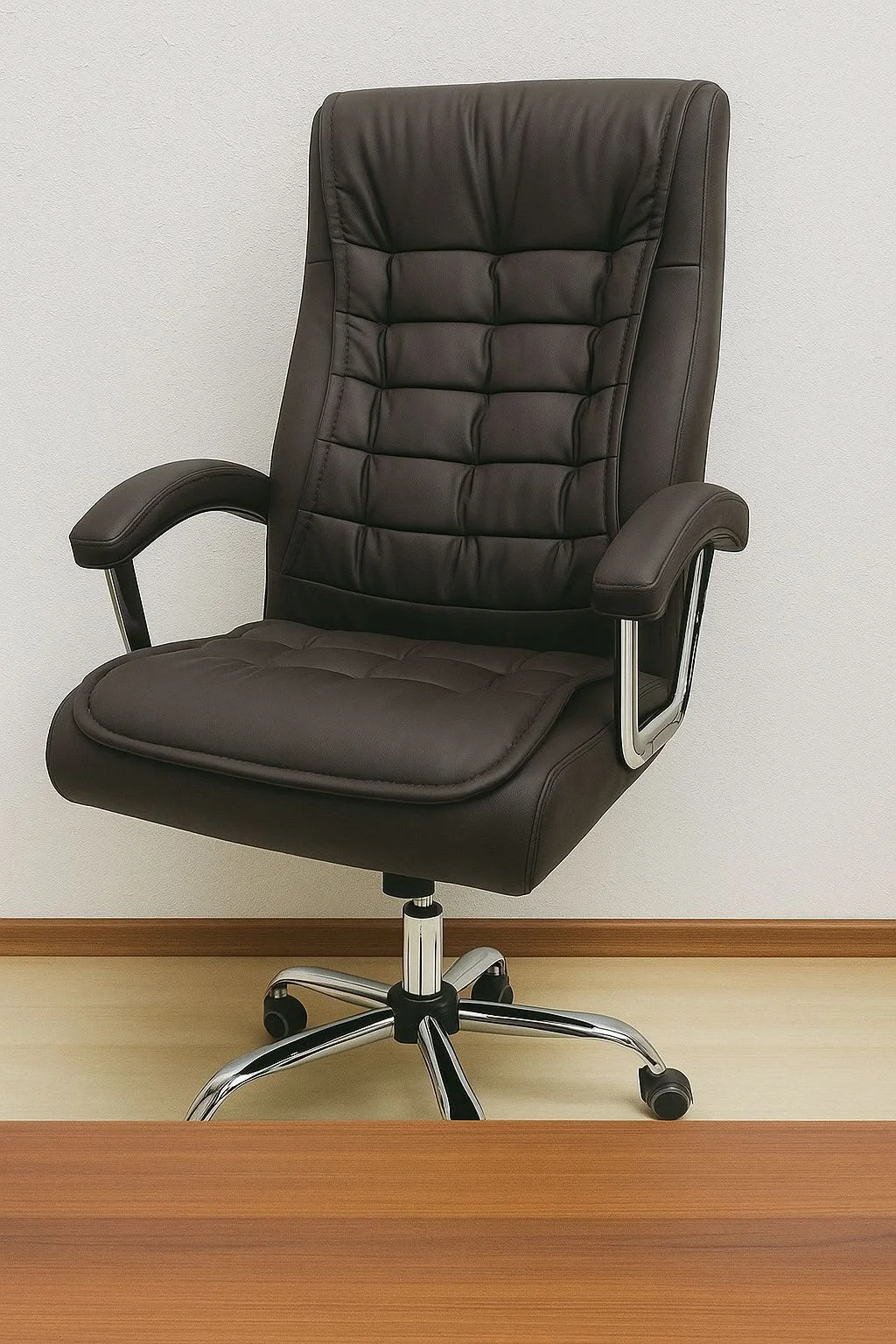
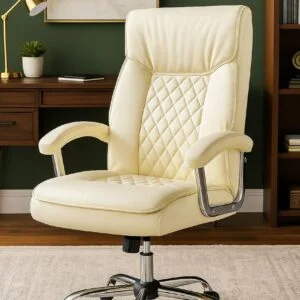
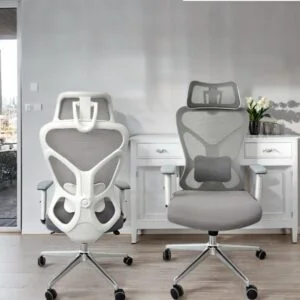
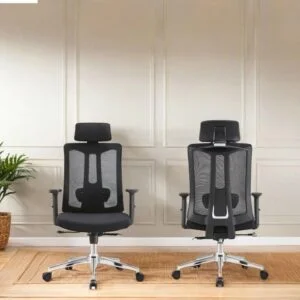
Ergonomic Office Chairs
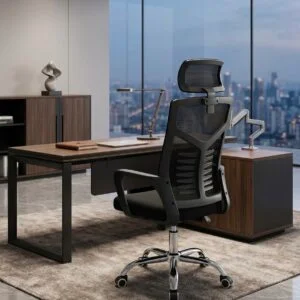
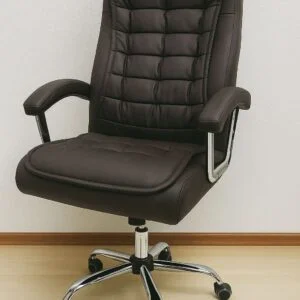
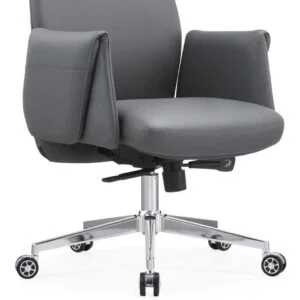
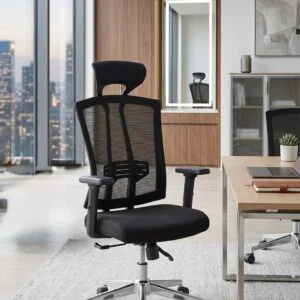
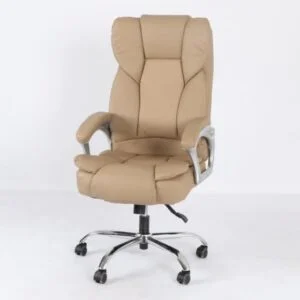
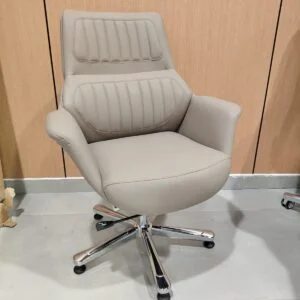
Comfortable seating supports employees while contributing to the visual consistency of the office.
Conference Tables
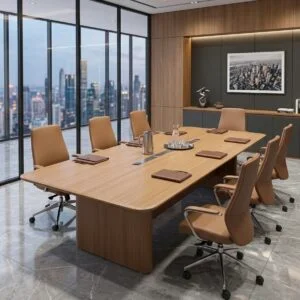
Meeting tables provide structured spaces for discussions, presentations, planning, and decision-making.
Reception Furniture
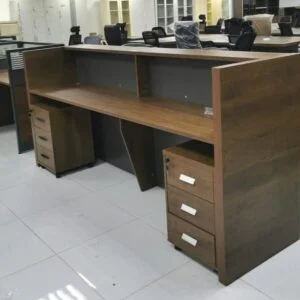
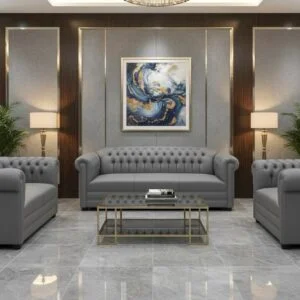
Reception desks and visitor seating form an important part of the entrance area and contribute to the first impression of the office.
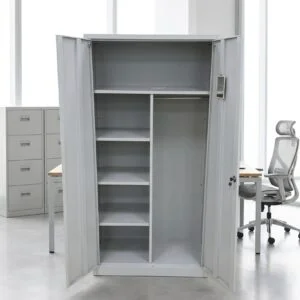
Filing Cabinets and Storage
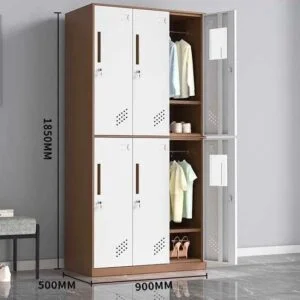
Storage furniture can be integrated into office layouts to maintain organization without unnecessarily occupying valuable space.
Collaborative Tables
Team tables provide shared areas for brainstorming, project work, informal meetings, and group activities.
Office Architecture Furniture for Different Workspaces
Corporate Offices
Corporate environments can combine executive furniture, staff workstations, conference tables, reception furniture, and collaborative areas to create a complete workplace system.
Technology Offices
Technology companies can benefit from flexible workstations, ergonomic seating, shared tables, and technology-ready furniture.
Government Offices
Government workplaces can use durable and functional furniture to create organized administrative environments.
Educational Institutions
Administrative offices, faculty areas, meeting rooms, and training spaces can benefit from furniture designed around specific room layouts.
Co-Working Spaces
Flexible and modular furniture can help co-working spaces accommodate different individuals, teams, and working styles.
Professional Service Offices
Law firms, consulting companies, financial organizations, and other professional businesses can use coordinated executive furniture, meeting tables, storage, and reception solutions.
How to Plan Office Architecture Furniture Saudi Arabia
A successful furniture plan should begin with an understanding of the existing or proposed office architecture.
1. Study the Office Layout
Review room dimensions, entrances, windows, columns, circulation paths, and available workspace.
2. Identify Functional Zones
Separate the office into areas for individual work, teamwork, meetings, reception, storage, and relaxation where appropriate.
3. Select Suitable Furniture
Choose desks, chairs, tables, workstations, and storage according to the size and purpose of each area.
4. Consider Employee Requirements
Think about workstation comfort, accessibility, storage, privacy, collaboration, and technology needs.
5. Coordinate Materials and Finishes
Select furniture that complements flooring, walls, lighting, doors, partitions, and other interior elements.
6. Plan for Future Changes
Modular furniture can make future expansion, reconfiguration, and workspace changes easier.
Office Architecture and Ergonomic Furniture
Office architecture should not focus only on appearance. Employee comfort is also an important consideration when planning a workplace.
Ergonomic furniture can be incorporated through:
- Adjustable office chairs
- Supportive workstations
- Height-adjustable desks
- Suitable desk heights
- Comfortable meeting chairs
- Flexible collaborative furniture
- Well-planned workstation spacing
Combining ergonomic functionality with architectural planning can help create a workplace that looks professional while supporting everyday employee activities.
Office Architecture Furniture and Technology
Technology is an important part of modern office design. Furniture should therefore accommodate the equipment employees use every day.
Modern office furniture can support:
- Desktop computers
- Multiple monitors
- Laptops
- Charging devices
- Power outlets
- Cable management
- Video conferencing equipment
- Presentation systems
Technology-ready furniture can help maintain cleaner workspaces while reducing visible cable clutter.
Modern Office Architecture Furniture Trends in Saudi Arabia
Businesses are increasingly looking for office environments that combine functionality, flexibility, and contemporary design. Modern office furniture solutions can support these requirements through modular workstations, ergonomic seating, collaborative tables, integrated storage, and technology-ready desks.
Furniture that can adapt to changing workplace requirements is particularly useful for businesses planning future expansion or workspace reconfiguration.
Why Choose Dhahban?
Dhahban provides modern office furniture solutions designed around comfort, durability, functionality, and contemporary style. Its current range includes office chairs and desks, executive furniture, workstations, conference tables, metal file cabinets, and other workplace solutions.
Dhahban also emphasizes personalized furniture solutions tailored to a customer’s style, available space, and functional requirements. This makes it suitable for businesses looking to coordinate furniture with their office architecture rather than selecting isolated furniture pieces.
Whether you are designing a new workplace, remodeling an existing office, or upgrading selected areas, Dhahban can help create a coordinated and professional office environment.
Frequently Asked Questions
What is office architecture furniture?
Office architecture furniture refers to furniture selected and arranged according to the architectural layout, dimensions, functionality, and design of an office.
Why is furniture important in office architecture?
Furniture influences how employees use the space, move around the office, collaborate, store materials, and perform their daily tasks.
What furniture is suitable for architectural office design?
Desks, ergonomic chairs, modular workstations, conference tables, reception furniture, storage cabinets, and collaborative tables can all be integrated into an architectural office plan.
Is office architecture furniture suitable for small offices?
Yes. Space-efficient desks, modular workstations, compact storage, and appropriately sized seating can help small offices make better use of limited space.
Contact Dhahban Today
Create a modern workplace where architecture, furniture, comfort, and functionality work together.
🌐 Website: https://dhahban.com/
📘 Facebook: https://www.facebook.com/dhahban
💬 Quick Booking on WhatsApp: https://api.whatsapp.com/send/?phone=966591476652&text&type=phone_number&app_absent=0
📞 WhatsApp: +966 59 147 6652
Contact Dhahban today to explore office architecture furniture and complete workspace furniture solutions for businesses across Saudi Arabia.
Related Posts
Premium Desk Chairs Saudi Arabia
Contemporary Office Furniture
Office Furniture Near Me Saudi Arabia
Adjustable Desk Saudi
Office Interior Furniture Medina
Collaborative Office Tables
Height Adjustable Tables

Office Furniture Discount Saudi Arabia
Office Fit Out Furniture Saudi Arabia
Office Space Furniture Saudi Arabia
Shared Office Desks
Office Remodeling Furniture Saudi Arabia
Filing Cabinets Saudi Arabia
Office Future Furniture Saudi Arabia
Office Scalability Furniture Saudi Arabia
Office Furniture Compliance Saudi Arabia
Office Furniture Quality Saudi Arabia
Office Furniture Excellence Saudi Arabia
Office Health Furniture Standards Saudi Arabia
Office Seating Standards Saudi Arabia
Office Ergonomic Standards Saudi Arabia
Office Connectivity Furniture Saudi Arabia
Office Flexibility Furniture Saudi Arabia
Office Wellbeing Centered Furniture Saudi Arabia
Office Smart Workspace Saudi Arabia
Office Digital Workspace Saudi Arabia
Office Human Centered Furniture Saudi Arabia
Office Productivity Centered Furniture Saudi Arabia
Office Performance Furniture Saudi Arabia
Office Growth Furniture Saudi Arabia
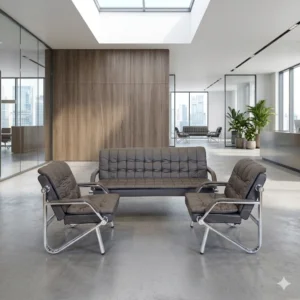
Office Intelligent Furniture Saudi Arabia
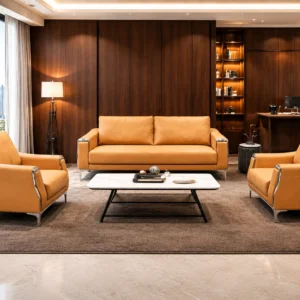
Office Advanced Furniture Saudi Arabia
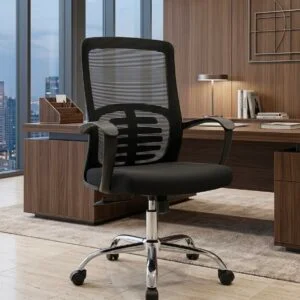
Office Chairs with Wheels Saudi Arabia
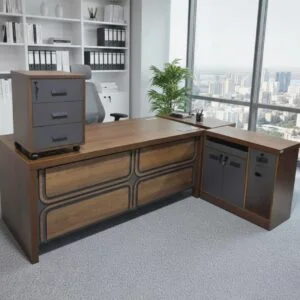
Office Upgrading Furniture Saudi Arabia
Team Tables for Office Saudi Arabia